Separate the motif from the selling unit
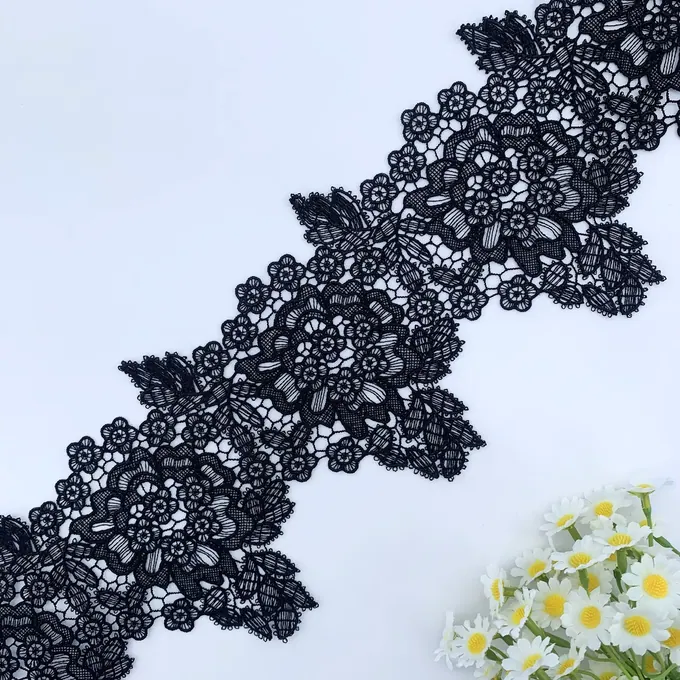
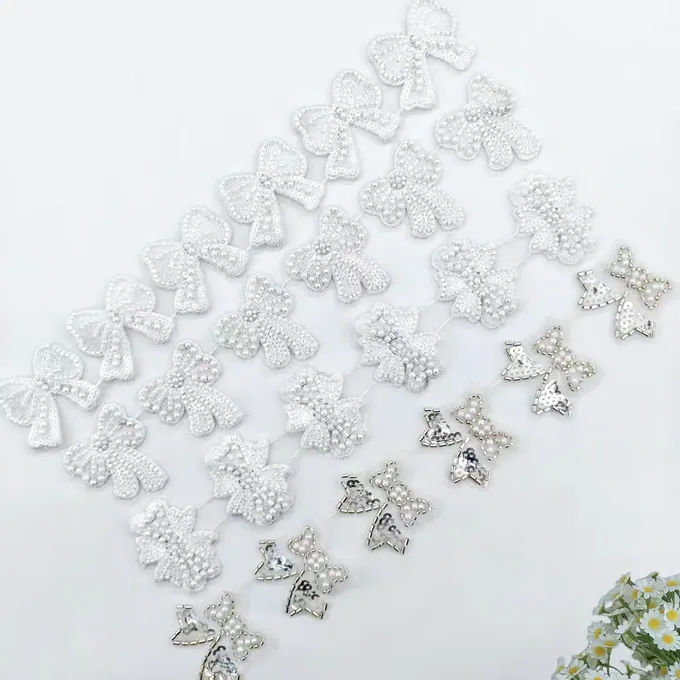
An appliqué photograph may show one piece, two mirrored pieces or several pieces arranged for presentation. The image arrangement does not establish what the buyer receives. For every shortlisted reference, ask whether the selling unit is a single piece, a matched pair or a larger set. Record how many usable motifs you need per garment, then translate garment quantities into the correct number of selling units before comparing quotations.
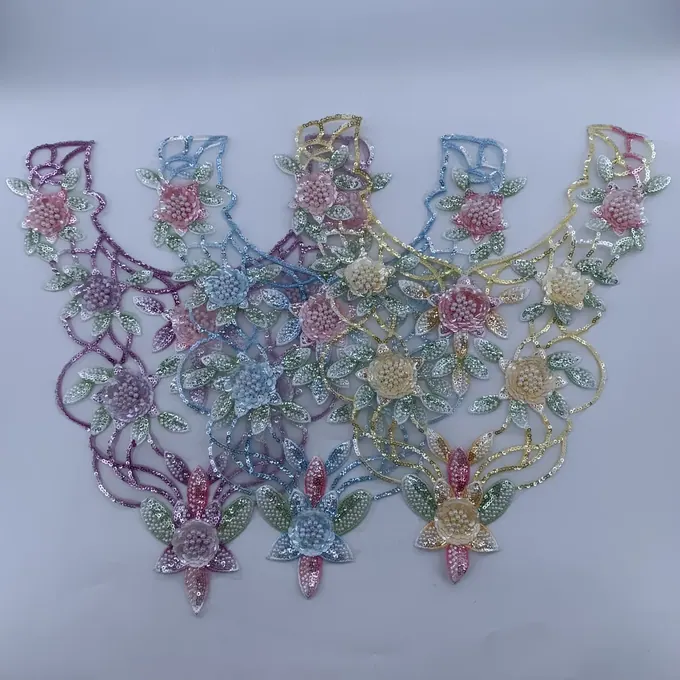
A pair should also be described precisely. Two identical pieces can be rotated, but they will not always create the same result as a left and right mirrored pair. Leaves, feathers and curved flower stems make this particularly important. Mark the intended placement on a garment sketch and label the left and right sides as worn. This avoids confusion between the maker’s view and the wearer’s view.
Measure the outline and check the shape on cloth
Request the maximum height and width of each piece, measured without stretching the backing. Ask whether those dimensions include exposed mesh or only the decorative outline. For a curved design, a simple rectangle gives useful overall dimensions but does not show how the motif fits around a shoulder or neckline. A photograph with a ruler and a placement drawing can provide the missing context for the sewing team.
Place paper outlines or physical samples on the actual pattern size before approving an order. A motif that looks balanced on a wide display board can be too large for a narrow sleeve or small bodice. Check where branches finish, whether the pair meets at the centre and whether the garment seam passes through a decorated area. If different garment sizes need different placements, document those changes rather than assuming one arrangement fits every size.
Inspect backing, relief and attachment points
Beaded and sequin appliqués can have a flatter surface or a raised, layered effect. Inspect both the front and reverse. Ask the supplier to identify the backing and component materials when these details matter. Consider whether the mesh will be visible against your fabric and where the sewing team can place supporting stitches. Do not assume a decorative appliqué is iron-on or washable simply because another similar product was.
For a raised flower or heavily decorated leaf, test the piece on a spare section of garment fabric. Check how the surrounding fabric carries its weight and whether the reverse needs lining for the intended use. Confirm any pressing or cleaning method before testing. Keep a record of the approved sample, reference and colour, because a general label such as silver floral appliqué does not identify the exact construction you selected.
Request a quote that counts the right pieces
Prepare one line for each reference and colour. State the number of garments and the required pieces per garment, then show the resulting singles, pairs or sets. Ask the supplier to confirm minimum quantities, matching conditions, available colours, packing and timing. If you require extra pieces for sampling or repairs, list them separately so they do not disappear into the production total. Confirm whether pairs will be packed together.
Explore the appliqués collection at Middle East Trims and save your preferred product references. Use the sample request or contact page to send your placement sketch, quantity breakdown and destination. Ask for any missing dimensions or reverse photographs before approving a sample. A clear enquiry gives both parties a practical basis for discussing the product, while leaving final composition, availability and supply conditions to be confirmed for the selected references.
- Single, pair or set; exact number of pieces in each unit.
- Left and right orientation marked as worn.
- Maximum dimensions, backing margin and placement drawing.
- Quantity per reference and colour, plus any extra sampling pieces.
- Confirmed composition, care, matching, packaging and order conditions.
Turn your research into a clear enquiry.
Select your designs and share the colour, quantity, unit and destination. Request confirmed specifications before ordering.
Prepare an enquiryRequest samples