Define what the decoration needs to do
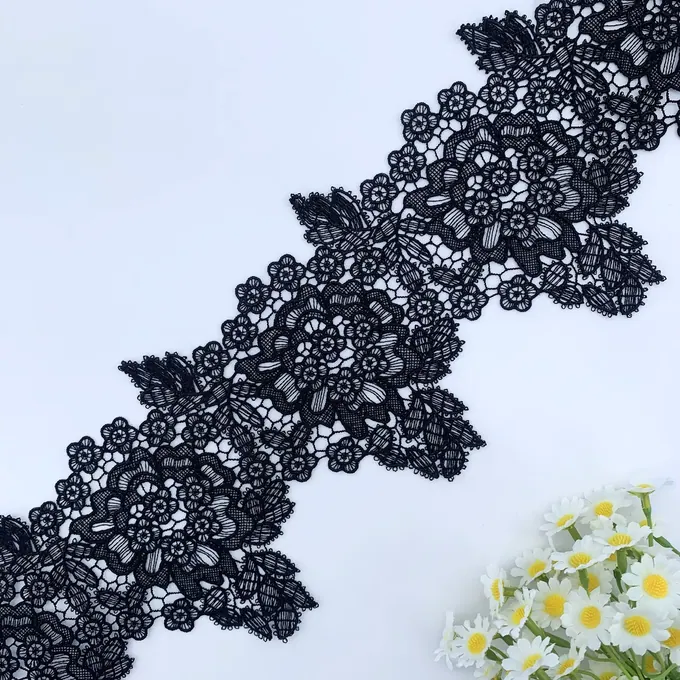
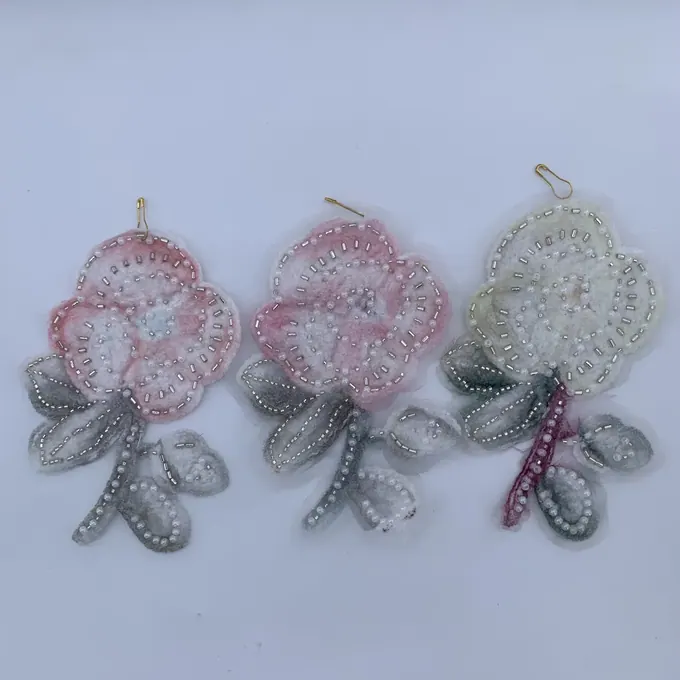
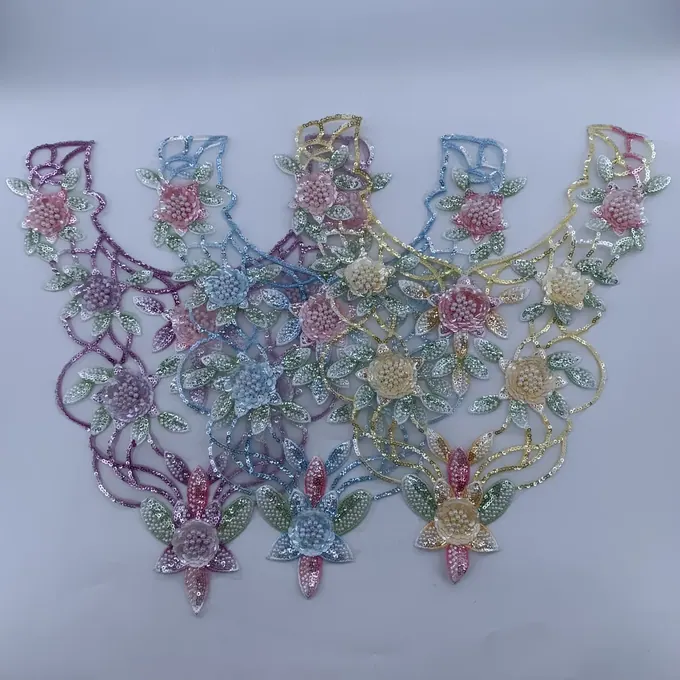
A beaded border is both a visual choice and a garment component. Two borders may share a flower shape but differ in backing, bead arrangement, weight and flexibility. Begin with the application: a narrow sleeve finish, a structured front panel, an eveningwear hem or a small accent. Then shortlist widths and decoration density that suit that position. A photograph can show the look, but cannot establish how the trim will behave when sewn.
For a wholesale assortment, avoid comparing only the price per length. A more densely decorated border may need a different attachment method or cutting plan, which affects garment assembly. Request enough sample material to inspect at least one complete pattern repeat where possible. This helps your team judge symmetry, spaces between motifs and whether the selected detail can be repeated consistently across several garments.
Read the construction in close-up and on the reverse
Ask for a close view of the face and reverse, and a view beside a ruler. Identify the backing and the visible components: round beads, long bugle shapes, flat sequins or embroidered thread. Their appearance does not prove the material composition. If glass, plastic, metal or another material matters to your design or import requirements, ask the supplier to confirm it in writing for the particular product reference.
Inspect how the decoration is secured and how the edge can be finished after cutting. Look for the proposed stitching path and discuss where the garment maker will reinforce cut ends. Do not pull or cut a valuable sample without agreeing the test plan. A small attachment trial on the real base fabric is more useful than assuming every beaded trim can be handled like an ordinary woven ribbon.
Match the repeat, colour and unit before comparing quotations
Record the overall width, decorated width and repeat length. Note whether the pattern has a top and bottom or a clear direction. If a border runs along both front edges of a garment, decide whether the same direction works or whether a mirrored effect is required. Do not calculate consumption from total garment length until the sewing team has considered pattern alignment, joins and usable cutting sections.
For colour, compare the beads, thread and backing separately against your cloth. Black beads can reflect light differently from black mesh, while metallic finishes may appear different under warm shop lighting. When requesting quotes, state metres, yards or rolls explicitly and ask for the length contained in each roll. Confirm whether quoted quantities are continuous lengths or may include joins, and agree how shortages or defects will be documented.
Approve the sample with the people who will use it
Give the sample to the cutting and sewing team before placing a bulk order. Check how it bends around the intended shape, whether its weight changes the drape and how the reverse feels against the garment or lining. Confirm care guidance with the supplier; a decorative component does not automatically share the washing instructions of the base cloth. Any cleaning or pressing trial should follow an agreed method on a spare sample.
Build a short enquiry from the beaded trims collection at Middle East Trims. Include your selected references, sample purpose, planned quantity per colour and destination. Add questions about packaging, replenishment and order conditions rather than assuming these from the photographs. Our contact page is the next step for discussing the selection; keep the final confirmed specifications beside the approved sample so that future reorders can refer to the same information.
- Reference, colour and required unit for each trim.
- Overall width, decorated width, repeat and direction.
- Face, reverse and ruler photographs; composition confirmation.
- Sewn trial, sample quantity and intended garment placement.
- Quantity per colour, destination, packing and supplier-confirmed order terms.
Turn your research into a clear enquiry.
Select your designs and share the colour, quantity, unit and destination. Request confirmed specifications before ordering.
Prepare an enquiryRequest samples